
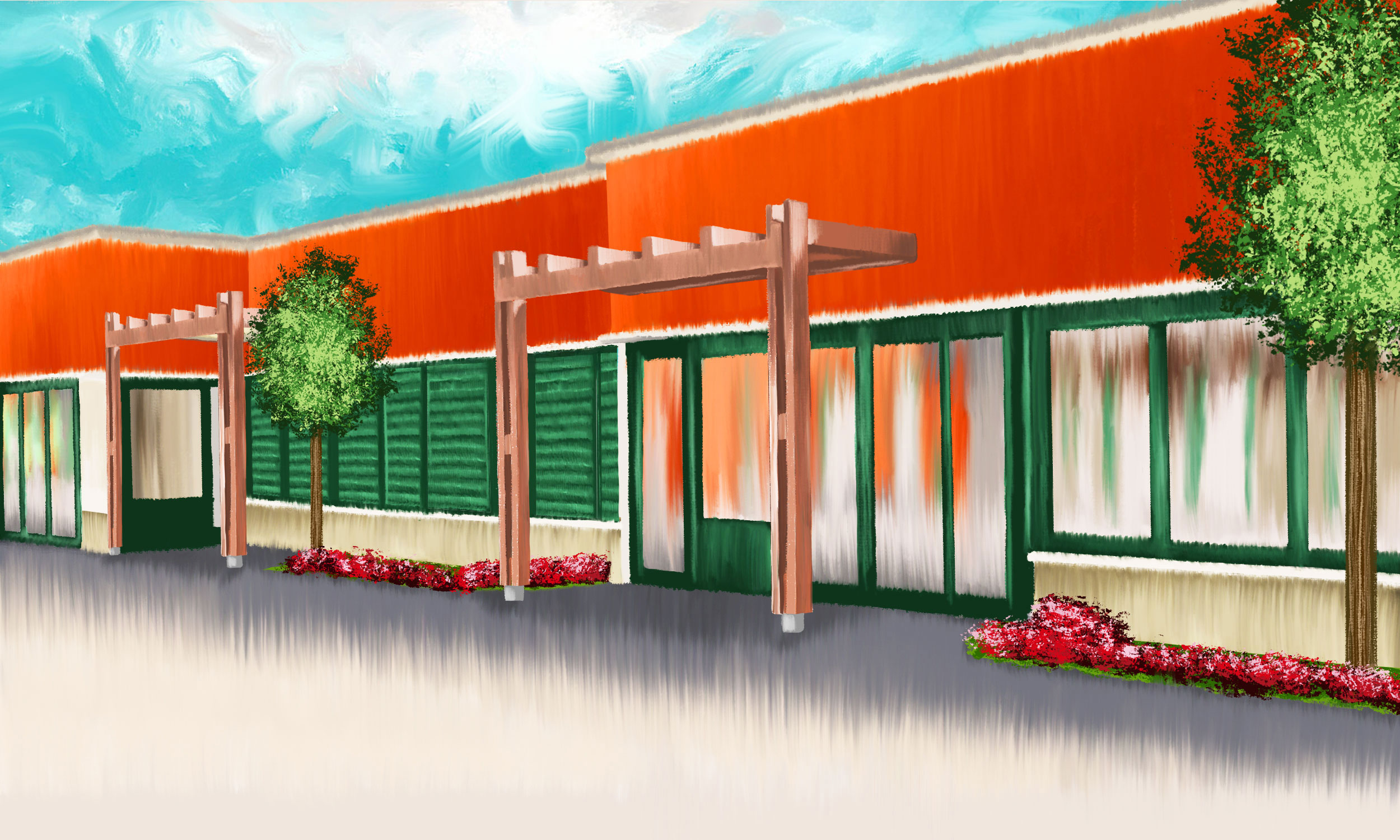

The Village residential units are conceived as true homes, where each person is cared for with care and respect and can feel welcomed and safe.
Here daily life unfolds in a serene and familiar environment, made of relationships, attention and small gestures that help keep abilities, emotional memory and the desire to be together alive.
Admission
The Village residential unit welcome people with a specific diagnosis of mild or moderate stage Alzheimer’s disease, without severe behavioral disorders, with any compensated comorbidities and a degree of autonomy compatible with the pathology.
Access is evaluated not only from a medical point of view, but also psycho-social, by a multidisciplinary team.
Entry requires the signing of forms by the interested party (if aware), by a close family member or by the support administrator, if present.
Discharge can occur upon request of the resident, the family or by unquestionable decision of the Management, if psychophysical conditions require different assistance.
The family homes are operational all year round.
Care process procedure
- Application submission by caregiver and/or support administrator
- Evaluation of suitability by the multidisciplinary team
- Care decision in team meeting
- Placement in family home
- Re-evaluation after 15 days, 2 months and subsequently every 6 months
Staff
The residences are coordinated by managers and follow the regulations of Lazio Region resolution of March 24, 2015, no. 126.
Each family home has:
- 2 healthcare workers for the day shift
- 2 operators for the afternoon
- 1 operator for the night
The overall staff includes psychologists, professional educators, social workers, occupational therapists, nurses, club leaders. The facility also benefits from the external consultancy of a neurologist. Healthcare competencies refer to Municipality III and the geriatric center of the III district ASL Roma 1.
Volunteers from local organisations can support the clubs. All staff receives theoretical and practical training on dementia, with particular attention to multi-level care (cognitive, behavioral, emotional and psychosocial), communication (including non-verbal), respect for individual identity and relationships with families and the community. Continuous training is provided.
Operators respect regulations on privacy, professional ethics and deontology.
Structure
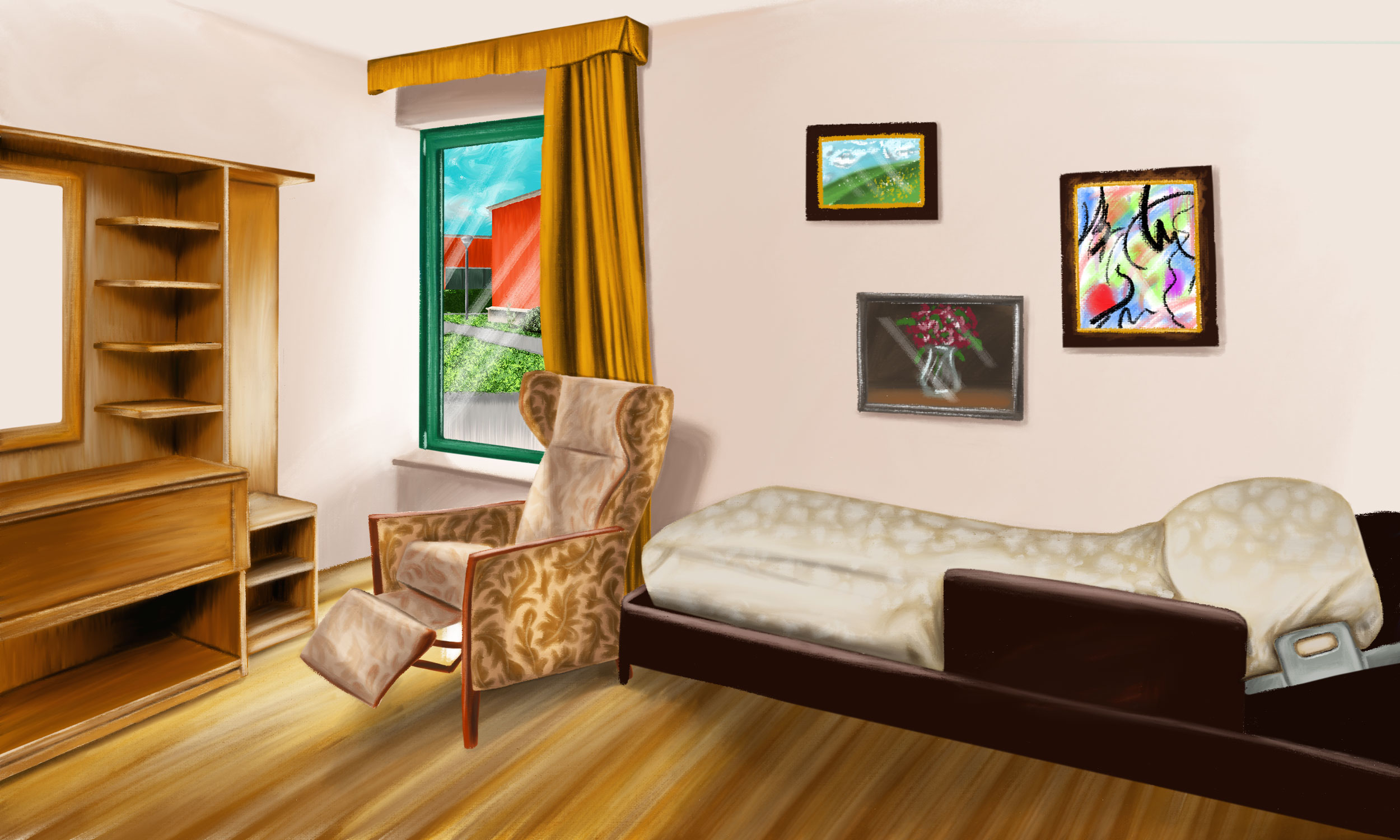
Each housing unit is independent, barrier-free and accommodates 6 residents of both sexes, selected based on lifestyle to facilitate integration.
Every detail – materials, colors, light, acoustics – is designed to ensure comfort, recognisability, orientation and quality of life.
The three styles identified by the technical committee are:
- Cosmopolitan: travel and culture lovers, with responsible professions
- Traditional: tied to family and religious values
- Urban: centered on working life
The units span approximately 250 square and include:
- Dining-living area furnished according to lifestyle
- Large and safe electric kitchen
- 6 single rooms with washbasin and at least 9 square meters each
- 2 bathrooms (one equipped for disabilities, both with alarm devices)
- Room and bathroom for operators
- Ergonomic furnishings, fireproof and customisable by residents
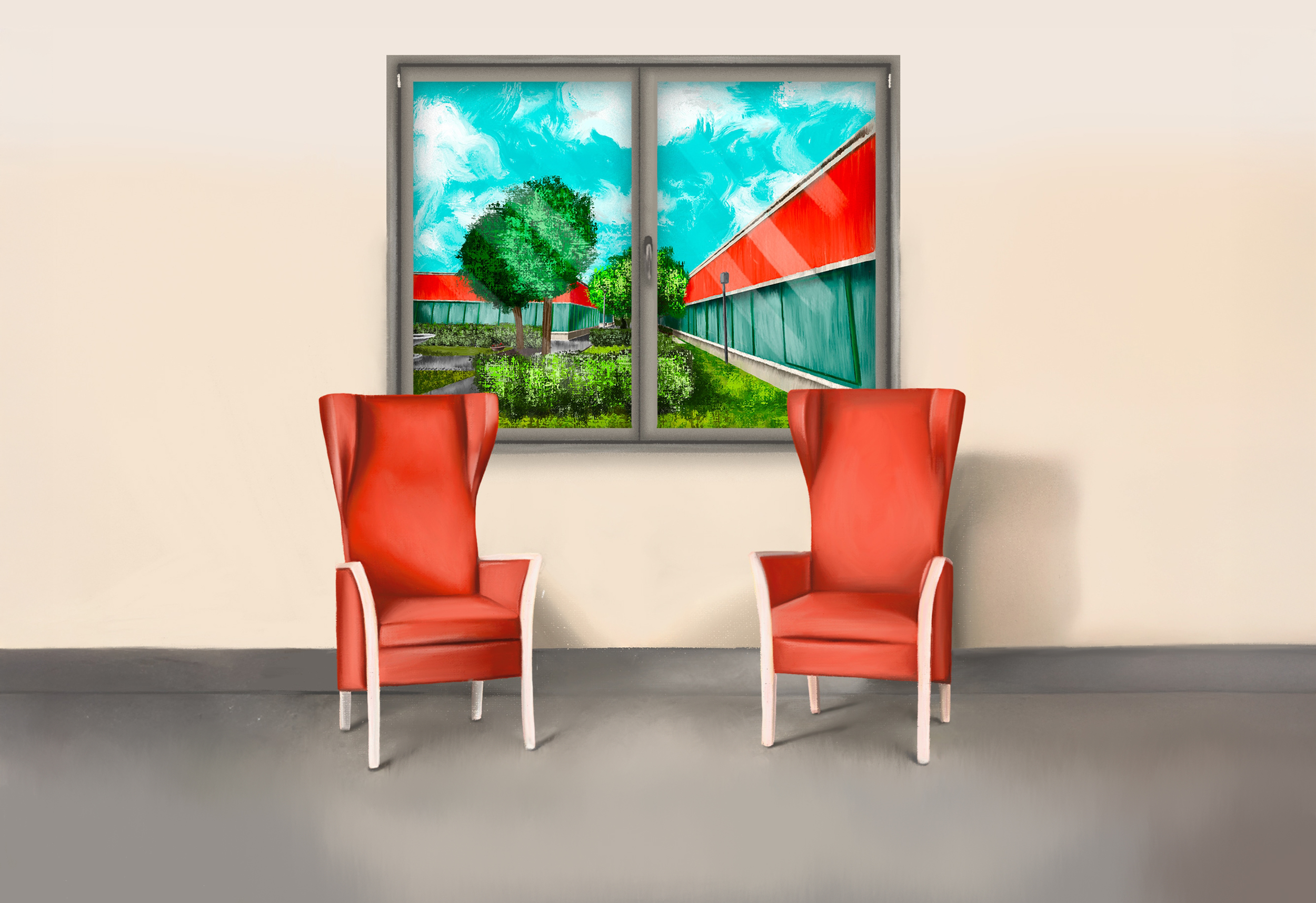
- Accessible outdoor spaces, green, with facilitating pathways
Life in the Fondazione Roma Village
The days are organised to respond to care, relational and social inclusion needs, respecting and guaranteeing: dignity, personal freedom, privacy, religious/political convictions, personal choices in clothing and self-care, stimulating and welcoming environment, family involvement, promotion of new emotional bonds and openness to the outside (cultural, recreational, educational and work entities).
Integration is also facilitated thanks to psychologist support during the evaluation phase.
The clubs
The clubs are free and pleasant spaces dedicated to residents’ interests. Active clubs include activities such as:
- Culture (current events, reading, documentaries, art exhibitions, Roman poetry, etc.)
- Music (classical, jazz, singer-songwriters, dancing, instruments, musical riddles, etc.)
- Manual skills (cooking, jewelry making, sculpture, mosaic, styling, beauty, etc.)
- Sociability (burraco, games etc.)
- Movement (gym, gymnastics, en plein air)
- Religion (religious readings)
- Creativity (collage, theatrical improvisation, storytelling)
There are also individual clubs on request, based on personal interests.
The spaces are those of the “arts and crafts gallery” and the number and type of clubs may vary over time.
Services offered
In addition to the Village’s general services, family home residents receive free of charge:
- Accommodation, meals, 24-hour assistance
- Support with personal and environmental hygiene
- Maintenance of motor and cognitive abilities
- Individual and group recreational and social activities
- Support in following prescribed diets
- Small group activities in line with individual care plans
The family homes are accessible by public transport. Public parking is available nearby.
The Village was also created with the purpose of promoting social inclusion and combating the stigma associated with the disease. For this reason, external outings and internal events open to families and the community are periodically organised.
Documentation and traceability
Each resident has an updated personal file containing personal, health, social data and the personalised care plan, with periodic evaluations.
Also present: a resident attendance register, a staff shift and duties register, dietary tables prepared by a nutritionist and approved by ASL Roma 1.